Solar Panels vs Generator: Which Backup Power is Right for You?
Updated July 2026 • 11 min read
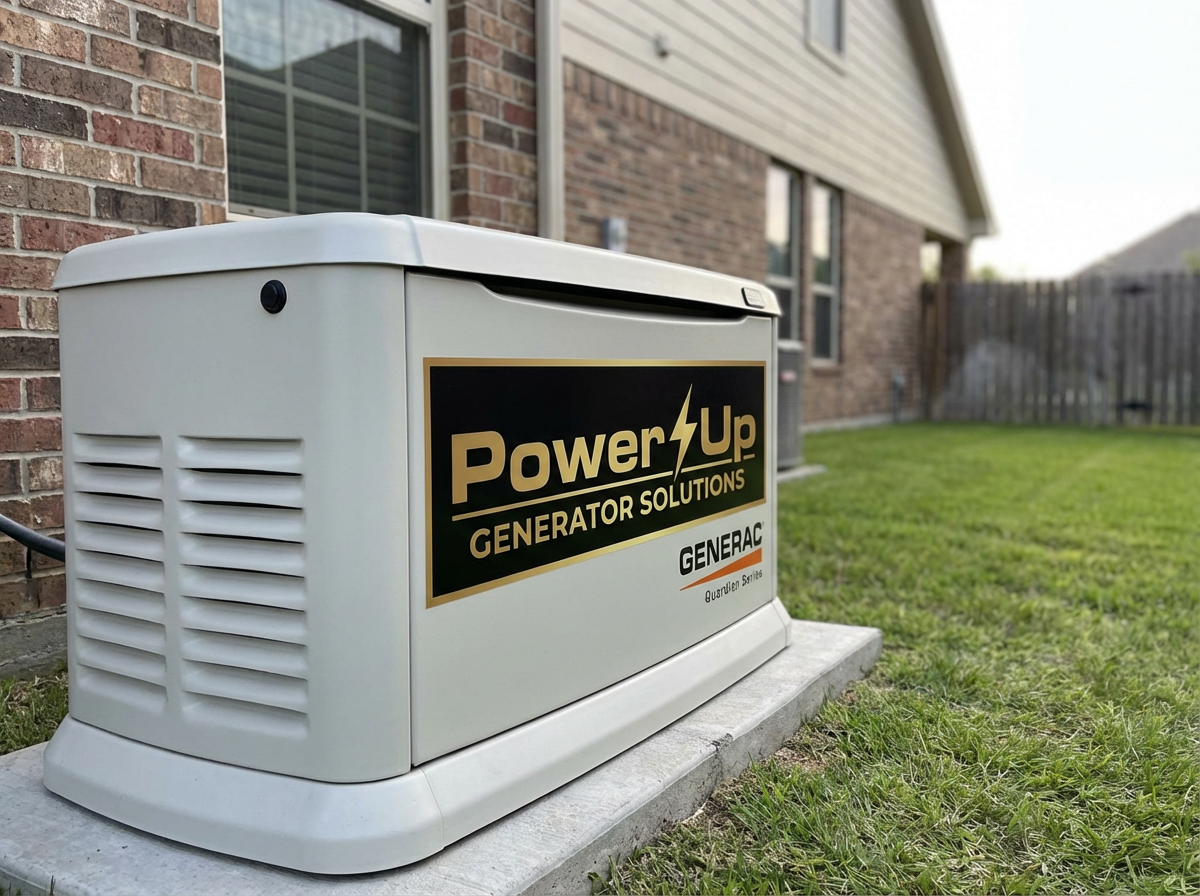
Solar panels and standby generators are both excellent backup power solutions — but they solve different problems. Choosing between them (or combining them) depends on your climate, budget, outage patterns, and long-term energy goals. Here is an honest comparison.
The Critical Distinction: Solar Panels vs Solar Backup
Before comparing, it is important to understand that solar panels alone do not provide backup power. Standard grid-tied solar systems automatically shut off during power outages — this is required by electrical codes to protect utility workers. For solar to serve as backup, you need battery storage paired with the panels. When people ask about "solar backup power," they are really asking about solar + battery systems.
Side-by-Side Comparison
| Factor | Solar + Battery | Natural Gas Generator |
|---|---|---|
| Installed cost | $25,000–$40,000 | $11,000–$14,000 (22kW) |
| After tax credits | $17,500–$28,000 (30% federal) | Potential business deductions |
| Outage duration coverage | 12–48 hours per charge | Unlimited (gas supply permitting) |
| Performance in storms | Reduced (clouds block generation) | Full — not weather dependent |
| Ongoing fuel cost | None (sunlight is free) | ~$3–$5/hr (natural gas) |
| Utility bill reduction | Significant (30–70% typical) | None |
| Maintenance | Low (panel cleaning + inverter) | Annual service (~$150–$300/yr) |
| Noise during outage | Silent | ~65–68 dB (from 6 feet) |
| Whole-house power | Limited by battery capacity | Full (22kW handles everything) |
| Transfer time | Milliseconds (instant) | 20–30 seconds |
| Lifespan | 25–30 yrs (panels), 10–15 yrs (battery) | 20–30 years |
| Environmental impact | Low carbon after manufacture | Combustion emissions during use |
When a Generator Is the Right Choice
A standby generator is the stronger choice when:
- You live in a region prone to multi-day outages. Kansas City ice storms, Oklahoma tornadoes, and Florida hurricanes frequently cause outages lasting 3–7+ days. A generator runs indefinitely; solar batteries drain within 12–48 hours.
- Your outages occur during storms or cloudy weather. Solar cannot recharge batteries when it is overcast — precisely when outages are most likely.
- You have medical equipment that requires guaranteed, whole-house power at all times.
- Budget is a priority. At $11,000–$14,000 installed, a 22kW generator is significantly less expensive than an equivalent solar + battery system.
- You want whole-house coverage. A 22kW generator powers everything simultaneously. Battery systems are typically sized for essential loads only.
When Solar + Battery Is the Right Choice
Solar + battery is the stronger choice when:
- You have abundant sunshine. Homes in Florida, Arizona, and the Southwest can recharge batteries daily and run indefinitely on solar during most outage scenarios.
- Your outages are typically brief. If your grid is reliable and outages rarely exceed 4–8 hours, battery backup with solar recharging covers most events.
- Reducing utility bills is a priority. Solar significantly reduces monthly electricity costs — a generator does not. The long-term economics favor solar in high-sun climates.
- Noise and aesthetic concerns matter. Solar + battery is completely silent and invisible (panels on the roof, battery indoors). A standby generator is visible and audible.
- Environmental priorities are important. Solar eliminates combustion emissions during normal operation.
The Hybrid Approach: Solar + Battery + Generator
For many homeowners, the best answer is not either/or. A hybrid system combines:
- Solar panels to reduce daily electricity costs by 30–70%
- Battery storage to handle brief outages instantly (no startup delay)
- Natural gas standby generator as the ultimate backstop for extended events
In a properly designed hybrid system, the batteries handle short outages silently while the generator charges the batteries and powers the home during multi-day events. This approach eliminates most generator run time, reduces fuel costs, and provides the best possible resilience.
Power Up Generator Solutions installs Smartflower Solar systems alongside our Generac and Cummins generators. We can design a hybrid system tailored to your home's energy profile, your local climate, and your budget — all at nonprofit dealer pricing.
What We Recommend for Our Service Areas
Kansas City, MO/KS
Ice storms and tornadoes cause multi-day outages. A 22kW natural gas generator is our primary recommendation. Hybrid systems are excellent for customers prioritizing long-term bill reduction.
Tulsa and Oklahoma City
Ice storms, severe thunderstorms, and tornadoes. Generator-first strategy with optional solar add-on. Multi-day outages are common enough that battery-only backup is insufficient.
Tampa and Central Florida
Hurricane risk makes a generator essential. Florida's strong sun also makes solar an attractive add-on. Hybrid solar + generator is ideal for Florida homeowners who want the dual benefit of bill reduction and hurricane protection.
Springfield, MO
Ice storms and severe spring weather. Generator-first recommendation similar to Kansas City. Solar is viable but less impactful given Missouri's cloud cover compared to Florida or the Southwest.
Frequently Asked Questions
Can solar panels power my home during a power outage?
Solar panels alone cannot power your home during a grid outage — they automatically shut off during outages as a safety measure. To use solar for backup power, you need a battery storage system (like a Tesla Powerwall or similar) paired with the panels. Without storage, solar only reduces your grid electricity bill but provides no backup protection.
How many days can a solar battery backup last?
A single Tesla Powerwall (13.5 kWh) can power essential loads for 12-24 hours. For extended outages of 3-7+ days (common after major hurricanes, ice storms, and tornadoes), solar battery backup alone is often insufficient unless the sun is shining consistently to recharge the batteries daily. A natural gas standby generator, by contrast, can run indefinitely as long as the gas supply is maintained.
Is solar or a generator better for hurricane and storm protection?
For severe weather backup, a natural gas standby generator is generally more reliable. Hurricanes and major storms often bring extended cloudy periods and roof damage that impairs solar generation. A natural gas generator continues running regardless of weather conditions. However, a hybrid solar + battery + generator system provides the best of both worlds: solar reduces fuel costs during normal operation and batteries handle brief outages, while the generator provides unlimited backup during extended events.
What is the cost difference between solar battery backup and a standby generator?
A solar battery backup system (panels + 2 Powerwalls) typically costs $25,000-$40,000 installed before incentives. A 22kW natural gas standby generator costs $11,000-$14,000 installed. After the federal 30% clean energy tax credit, the solar system comes down to $17,500-$28,000 — still significantly more than a generator. The solar system does offset utility bills over time, which improves its long-term value proposition.
Can I have both solar panels and a generator?
Yes, and this hybrid approach is increasingly popular. A properly configured solar + battery + standby generator system uses solar and battery to handle routine outages and daily energy needs, while the generator provides insurance for extended events. Power Up Generator Solutions installs Smartflower Solar systems alongside our generator installations and can design an integrated hybrid system for your home.
We Offer Both — Let Us Help You Choose
Power Up Generator Solutions installs Generac standby generators, Smartflower Solar systems, and hybrid configurations. As a 501(c)(3) nonprofit, we recommend the right solution for your home — not the most expensive one. Free consultations, financing from $25/month.
816-461-9751 | Text: 816-785-1268 | www.powerupgen.com