How Long Does a Generator Last? (20-30 Year Guide)
Updated July 2026 • 9 min read
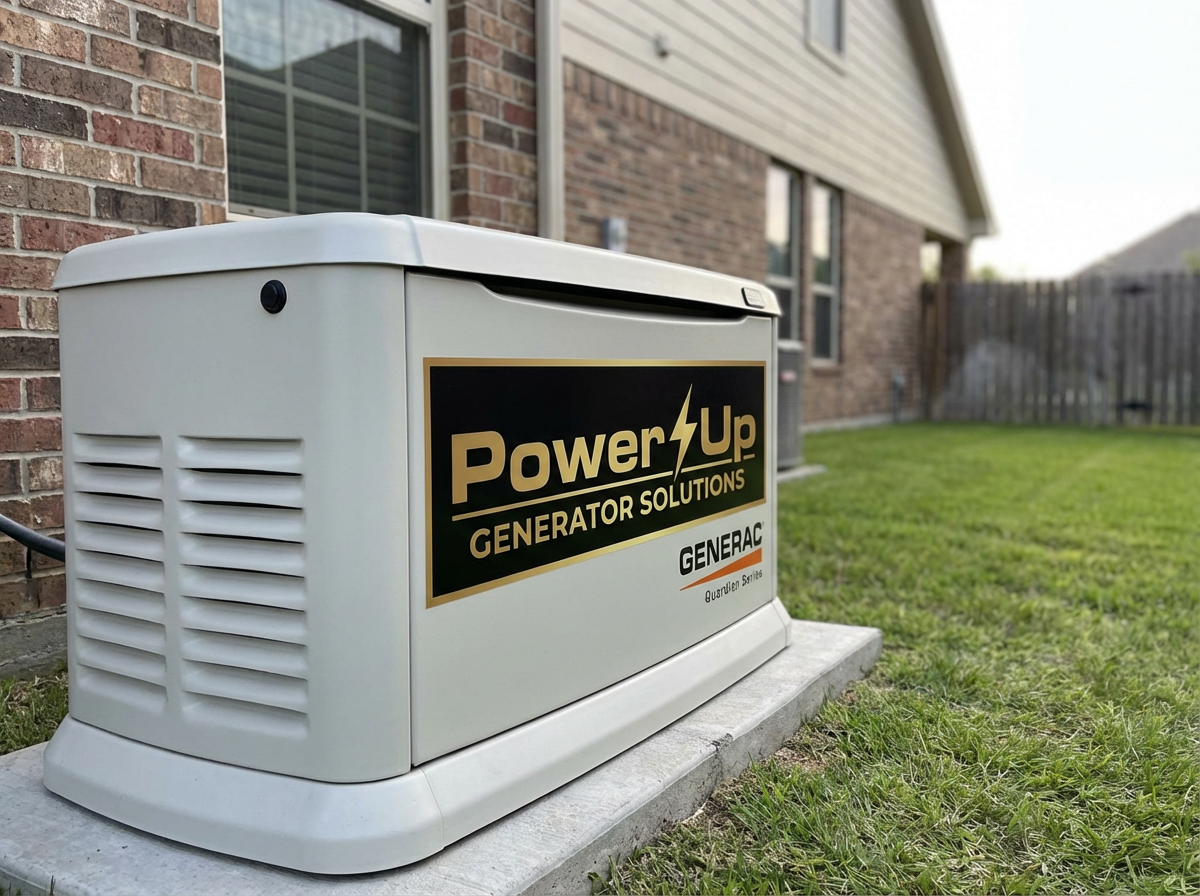
A quality home standby generator installed by a factory-trained technician will last 20 to 30 years — and many exceed that with consistent care. Understanding the factors that affect lifespan helps you protect your investment and know when it is time to plan for replacement.
Typical Generator Lifespan by Type
Not all generators are created equal. The type of generator you own has a significant effect on how long you can expect it to run reliably:
- Home standby generators (natural gas or propane): 20–30 years, often longer. These are the workhorses — purpose-built for long-term residential and light commercial use.
- Commercial standby generators: 15,000–30,000 hours of run time. When used as standby (not primary) power, they routinely last 30+ years.
- Portable generators (gasoline): 10–15 years with diligent maintenance. Gasoline degrades quickly and is harder on engines over time.
- Inverter generators: Similar to portable units — 10–15 years. Premium brands like Honda and Yamaha can exceed that.
At Power Up Generator Solutions, our Generac, Cummins, and Briggs & Stratton units are all factory-rated for exceptional longevity. We regularly service generators that were installed in the early 2000s and are still performing perfectly.
Factors That Affect Generator Lifespan
1. Maintenance Schedule
Annual maintenance is the single most important factor in generator longevity. An oil and filter change, spark plug inspection, battery test, coolant check (on larger liquid-cooled units), and air filter replacement once per year can double the useful life of a generator. Skipping service — even for just two or three years — allows sludge buildup, battery degradation, and fuel system corrosion to accelerate.
The most common mistake we see is owners neglecting the first oil change within 20 hours of the initial installation. Break-in wear particles contaminate the oil during early operation. That first change is critical and should not be delayed.
2. Run Hours Accumulated
Standby generator engines are typically rated for 10,000 to 30,000 hours. A generator that runs only during outages and weekly self-tests might accumulate 100–300 hours per year. At that rate, reaching the engine hour limit takes 30–100+ years. In practice, the mechanical lifespan almost always exceeds the calendar lifespan for standby units.
3. Fuel Type
Natural gas generators tend to outlast propane and diesel models because natural gas burns cleaner and does not degrade in storage. Propane is also a clean fuel and performs well, but propane generators require more attention to regulator condition and tank pressure over the years. Gasoline is the hardest fuel on engines — ethanol content causes corrosion in carburetors and fuel lines, which is why portable gas generators have shorter typical lifespans.
4. Installation Quality
A generator installed on a level, properly-sized concrete pad by a factory-trained technician will outlast one placed on gravel or improperly graded ground. Vibration from an unlevel installation stresses engine mounts, exhaust connections, and electrical connections over thousands of operating hours. Proper clearances also ensure adequate airflow, preventing the overheating that shortens engine life.
5. Battery Condition
The battery is the most frequently replaced component on a standby generator. Most generator batteries have a rated service life of 3–4 years under normal conditions. A dead battery does not damage the engine, but it does mean the generator will not start when you need it most. We recommend proactive battery replacement on a 3-year schedule rather than waiting for failure.
How to Extend Your Generator's Lifespan
These are the highest-impact steps you can take to maximize generator longevity:
- Schedule annual professional maintenance. An annual service visit by a factory-trained technician covers everything the generator needs to run reliably for decades.
- Change the oil in the first 20 hours. This is the single most important maintenance task for a new generator and is often overlooked.
- Keep the enclosure clear of debris. Leaves, dirt, and vegetation block cooling airflow and accelerate corrosion. Check the area monthly.
- Let the weekly exercise cycle complete fully. Most standby generators are programmed to run a self-test once per week. Do not interrupt these cycles — they keep the engine lubricated and the battery charged.
- Replace the battery every 3 years proactively. A $80–$120 battery replacement prevents a no-start failure during an outage.
- Address small issues promptly. A minor oil leak or a slightly worn spark plug costs little to fix. Left unattended, these escalate into expensive repairs.
Signs Your Generator May Need Replacing
Even the most durable generator eventually reaches end of life. Watch for these warning signs:
- Repair costs exceeding 50% of replacement cost. If a single repair quote approaches half the price of a new unit, replacement is usually the smarter financial decision.
- Parts are no longer available. Manufacturers typically support parts availability for 15–20 years post-production. Older units may become difficult and expensive to repair due to parts scarcity.
- Persistent starting failures. If the generator repeatedly fails to start despite battery replacement and carburetor cleaning, deeper engine wear may be the cause.
- Visible corrosion on the alternator or engine block. Surface rust on the enclosure is cosmetic. Corrosion on engine or electrical components is structural and affects reliability.
- Declining output voltage or frequency. If your generator consistently produces voltage or frequency outside the rated range, the alternator windings or voltage regulator may be degrading.
Generator Lifespan by Brand
Based on our 20+ years of experience servicing generators across Missouri, Kansas, Oklahoma, and Florida:
| Brand | Typical Lifespan | Engine Rating | Notes |
|---|---|---|---|
| Generac | 20–30 years | 10,000–30,000 hrs | Industry standard; most widely serviced |
| Cummins | 25–35 years | 20,000–30,000 hrs | Exceptional commercial-grade durability |
| Briggs & Stratton | 20–25 years | 10,000–20,000 hrs | Reliable mid-tier residential option |
| DuroMax | 10–15 years | 5,000–10,000 hrs | Excellent value for portable/budget standby |
Annual Maintenance Plan: The Lifespan Multiplier
Our annual maintenance plan keeps your generator in peak condition year after year. For homeowners in Kansas City, Tulsa, Oklahoma City, Springfield, and Tampa, our factory-trained technicians — with an average tenure of 15 years — have the hands-on expertise to catch small problems before they become expensive failures. Most of our maintenance customers retain service for 5+ years after installation, and we regularly see those generators still running perfectly 20–25 years later.
As a 501(c)(3) nonprofit, we offer maintenance plans at dealer cost — no markup, no commissions. Your generator is an investment worth protecting, and we are here to help that investment last as long as possible.
Frequently Asked Questions
How long does a standby generator last?
A well-maintained standby generator lasts 20-30 years. Generac, Cummins, and Briggs & Stratton units regularly reach 25+ years when serviced annually. The engine is designed for 10,000-30,000 hours of run time — since most standby generators only run during outages and weekly self-tests, the actual calendar life far exceeds the engine hour limits.
How many hours does a generator last before it needs replacing?
Most standby generator engines are rated for 10,000 to 30,000 hours of run time. A generator that only runs during outages and weekly tests might accumulate 100-300 hours per year, meaning the engine can last 30-100+ years in terms of hours alone. The practical lifespan is typically limited by parts availability and corrosion, not engine hours.
What shortens a generator's lifespan?
The biggest lifespan killers are: skipping annual maintenance (especially oil and filter changes), running on old fuel, neglecting the battery (fails every 3-4 years if not replaced), ignoring the first-use oil change (essential within 20 hours of installation), and moisture intrusion from improper placement or a damaged enclosure.
How do I know when my generator needs to be replaced?
Signs your generator may need replacement include: repair costs exceeding 50% of a new unit's price, parts that are no longer available from the manufacturer, chronic starting failures even after battery and carburetor service, visible corrosion on the engine block or alternator windings, and a generator that is more than 25-30 years old with no service records.
Does generator brand affect lifespan?
Yes. Generac, Cummins, and Briggs & Stratton are known for exceptional longevity — many units from the 1990s and early 2000s are still in service today. Budget-brand generators often use lower-grade engine components and may only last 8-12 years. Choosing a reputable brand from a factory-trained dealer significantly extends expected lifespan.
Ready to Invest in a Generator That Lasts?
As Kansas City's only 501(c)(3) nonprofit generator dealer, we sell Generac, Cummins, and Briggs & Stratton at dealer cost — saving you $2,000–$4,000 compared to for-profit competitors. Financing starts at $25/month.
Call or text: 816-461-9751 | 816-785-1268 (text)